Your 'Ugly' Era Might Be Your Most Profitable One Yet
Somewhere along the way, we got sold this idea that success looks like a neutral linen palette, a clean sans-serif font, and a feed that could double as a Scandinavian furniture catalog. And for a while, people played along. They sanded down their edges. They swapped out the bold for the beige. They made themselves digestible.
Then something interesting happened. The beige people started blending into each other, and the ones who refused to bland themselves out? They started winning.
The Myth of the 'Polished' Brand
There's a persistent belief in creator spaces that you need to look a certain way before you can charge a certain amount. That aesthetic legitimacy — the kind that gets you featured in round-ups and earns you a certain type of follower — requires a level of visual conformity that essentially means erasing whatever made you weird in the first place.
But that logic is crumbling, and fast.
Look at what's actually moving culture right now. The creators pulling serious attention — and serious revenue — aren't the ones with the most refined visual identity. They're the ones with the most specific one. There's a massive difference. Refinement is something anyone can hire out. Specificity is something you either have or you don't.
When your visual world is so distinctly yours that someone can clock it in a thumbnail before they even read your name, that's not bad taste. That's a brand moat.
Niche Taste Is an Economic Strategy
Here's the thing about building in the margins: the margins are less crowded. When you're not competing for the same mainstream audience as everyone else, you're not competing with everyone else. Period.
Creators who've committed to what critics might call 'tacky' or 'overdone' or just flat-out a lot have discovered something that brand consultants charge thousands to explain: a smaller, deeply loyal audience converts at a rate that a large, indifferent one never will. The person who found you because of your maximalist, slightly chaotic, neon-drenched corner of the internet isn't scrolling past your product drop. They've been waiting for it.
This is the economics of niche taste-making in action. You're not trying to appeal to everyone. You're trying to become the thing for someone specific. And that someone specific? They'll buy the merch, the course, the collab, the candle — whatever you make — because it feels like it was made for them. Because it was.
When 'Bad Taste' Becomes a Badge
The accusation itself has changed meaning. Getting called 'too much' or told your aesthetic is 'giving dollar store' or 'chaotic' used to be the kind of comment that sent creators into a spiral of self-editing. Now? It's practically a co-sign.
Creators are screenshotting the criticism and posting it. They're leaning into the labels. They're building entire content pillars around the tension between what taste gatekeepers expect and what they're actually delivering.
And here's why that works: it creates a narrative. Suddenly you're not just a person with a weird visual sensibility — you're someone with a point of view. You have a position. You're in conversation with culture, even if the conversation started as an argument.
That narrative is magnetic. It gives your audience something to root for. It makes the aesthetic feel like a stance, not just a style. And stances build communities in ways that pretty-but-safe visuals simply don't.
The Monetization Isn't Accidental
Let's get practical for a second, because this isn't just a vibes conversation.
When you commit to a genuinely weird, genuinely personal aesthetic, a few things happen on the business side. First, your content becomes self-selecting. The people who stay aren't casual scrollers — they're people who actively chose your specific flavor of strange. That's a high-intent audience before you've even made a pitch.
Second, brand partnerships start to look different. Instead of chasing the generic lifestyle deals that every mid-size creator is fighting over, you become interesting to brands that need your specific world. Niche aesthetics attract niche brands, and niche brands often have more flexible budgets and more creative freedom to offer because they're not trying to reach everybody either. They're trying to reach your people.
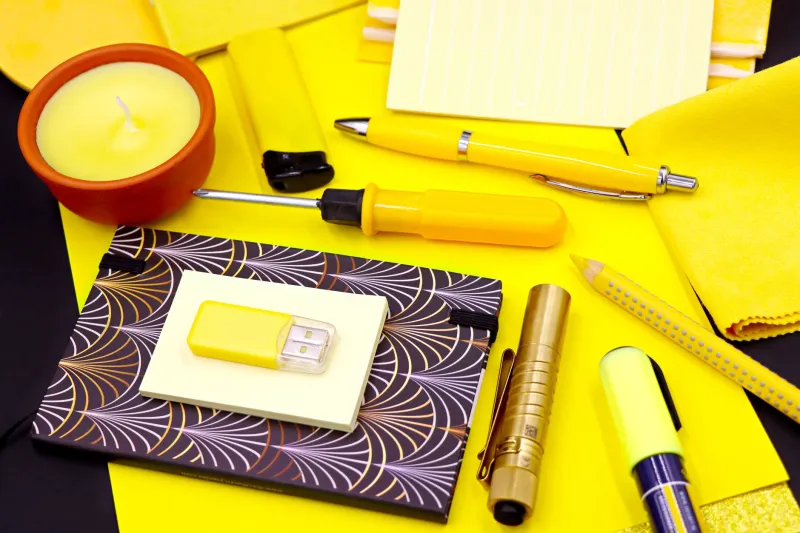
Third — and this is the long play — an unusual aesthetic is harder to copy than a conventional one. If your whole thing is 'clean and aspirational,' you can be replaced by the next clean and aspirational creator who comes along with a slightly better camera. But if your whole thing is maximalist Y2K nostalgia filtered through a Southern Gothic lens with a side of dry humor? Good luck cloning that. You become genuinely irreplaceable in your lane.
The Permission Slip You Didn't Know You Needed
If you've been quietly apologizing for your taste — toning it down for brand decks, softening your palette for broader appeal, swapping out your actual instincts for what you think the algorithm rewards — this is your sign to stop.
Not because 'authenticity' is some buzzword that guarantees success. It doesn't. Plenty of authentic people are still figuring out the business side. But because the creative energy you spend managing down your aesthetic is energy you're not spending building something that actually belongs to you.
The creators who've built real staying power aren't the ones who perfected the formula. They're the ones who got so specific, so committed, so genuinely themselves in their visual language that the formula became irrelevant. They didn't optimize for the algorithm — they made the algorithm come to them.
Your bad taste, your clashing colors, your over-the-top set design, your deeply personal and occasionally inexplicable visual obsessions — that's not a liability to manage. That's the product.
Lean all the way in. The money follows the weird.