Done Is Overrated: Why the Creators Who Never 'Finish' Anything Are Winning
Somewhere along the way, we all absorbed this idea that a creative project only counts once it's done. Polished. Packaged. Ready to post with a clean caption and a thumbnail that pops. The whole culture around content creation has quietly trained us to treat the finished product as the only product — and honestly? That pressure is quietly suffocating some of the most interesting work happening right now.
Here's the thing though: the creators who are actually making waves aren't always the ones shipping the most complete work. They're the ones inviting you into the chaos before the final cut.
The 'Ship It' Mentality Has a Dark Side
The startup world gave us "done is better than perfect," and for a while, that felt liberating. Stop overthinking, just launch, iterate later. Fine advice, in theory. But somewhere between Silicon Valley and the creator economy, it morphed into something a little more anxious — this relentless pressure to always be producing, always be finishing, always have something to show.
The result? A whole lot of polished, forgettable content. Work that's been sanded down so smooth there's nothing left to grip onto. You've scrolled past a thousand of those videos. Technically clean. Emotionally empty.
When everything you put out has been buffed to a high shine, you're not showing people your brain — you're showing them a product. And products are easy to scroll past.
What 'Forever Beta' Actually Looks Like in Practice
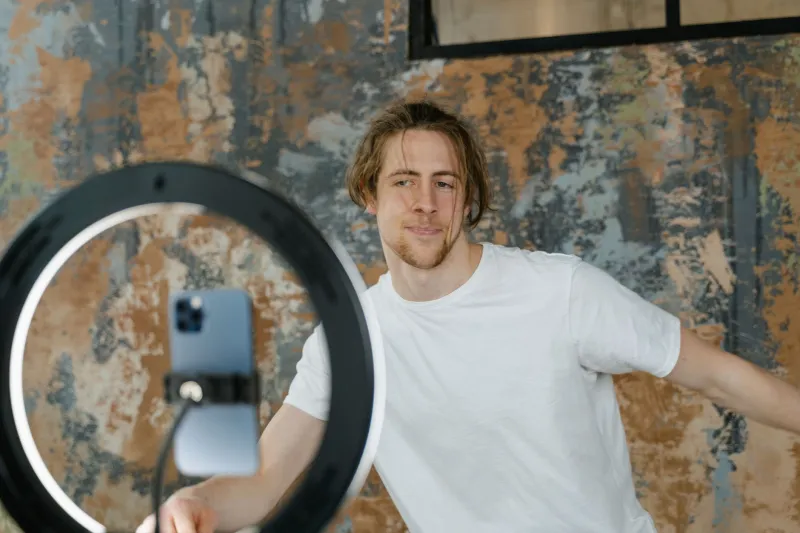
Spend any time in the corners of the internet where genuinely curious people hang out — certain YouTube channels, Substacks, TikTok accounts that feel more like journals than brands — and you'll notice something. The creators with the most devoted audiences are often the ones who openly document what isn't working.
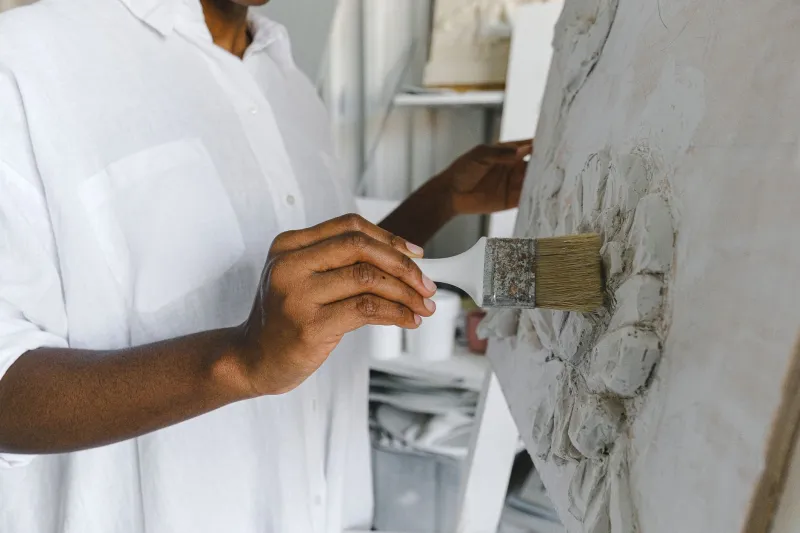
They post the sketch before the painting. They share the voice memo that turned into nothing. They write the newsletter about the essay they couldn't figure out how to finish. They let you watch them change their mind in real time.
Austin Kleon built an entire creative philosophy around this — "show your work" as a practice, not just a hashtag. But what's evolved beyond that is something even rawer. It's not just showing the process on the way to a destination. It's treating the process as the destination. Perpetually in-progress. Perpetually interesting.
Some creators call it the "forever beta" mindset. Nothing is ever truly done; it just gets released into the world in its current form and keeps evolving. Your audience becomes collaborators rather than consumers. The work stays alive.
The Psychology Behind Why Incompletion Hooks Us
There's actually a name for why unfinished things stick in our heads: the Zeigarnik effect. Psychologists have known for decades that the human brain fixates on incomplete tasks more intensely than completed ones. We're wired to stay curious about open loops.
Creators are — whether they know it or not — tapping into this when they document work in progress. When someone shows you a half-built thing and says "I don't know where this is going yet," your brain leans in. You want to know how it ends. You're invested now.
Compare that to dropping a fully finished project with no context, no journey, no texture. It's impressive, maybe. But it's also... closed. There's nothing to wonder about. The loop is already shut.
The mess, the uncertainty, the "I tried this and it completely fell apart" energy — that's not a weakness in your content strategy. That's a feature.
Abandoned Projects Are a Portfolio, Not a Graveyard
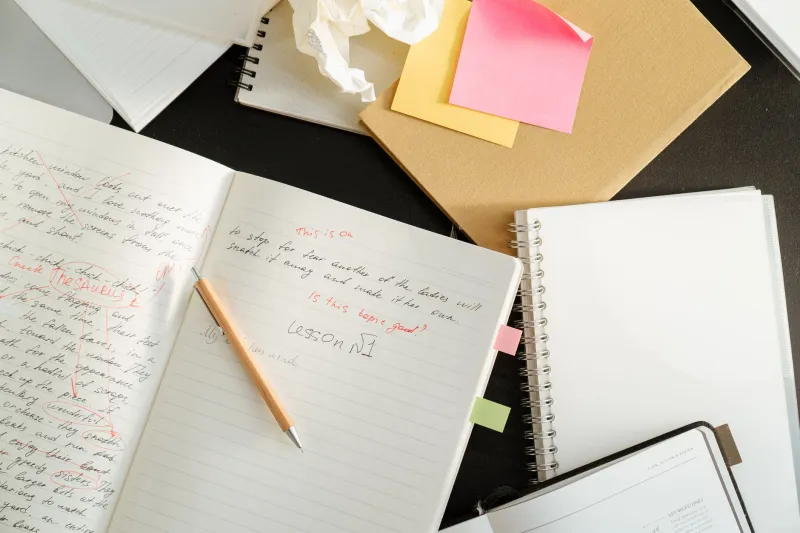
Let's talk about the stuff you never finished. The novel that stalled out at chapter three. The podcast you recorded four episodes of and then ghosted. The YouTube series you announced and then quietly let die. The Notion board full of ideas that never left the board.
Cultural conditioning says that folder is a record of your failures. But flip that perspective for a second.
Every one of those abandoned projects contains a version of your thinking at a specific moment in time. They're creative artifacts. Evidence of curiosity, experimentation, a willingness to start things even when you weren't sure where they were going. That's not a character flaw — that's literally what creative people do.
Some of the most compelling creator content happening right now is people revisiting their abandoned work. Dusting off old projects and asking: why did this stop? What was I actually trying to figure out? Does any of this still matter to me? That kind of excavation is fascinating to watch because it's honest in a way that polished content almost never is.
Your unfinished projects aren't a graveyard. They're an archive. There's a difference.
Why 'Releasing' Is Different From 'Finishing'
Here's a reframe worth sitting with: what if the goal wasn't to finish things, but to release them?
Finishing implies a definitive endpoint — this is done, this is complete, this is what it is forever. Releasing is softer. It means: this is where I am with it right now, and I'm letting it out into the world in this form. It leaves room for the work to keep evolving. It leaves room for you to keep evolving.
A lot of working artists have operated this way forever. Musicians who keep tweaking albums years after release. Writers who publish essays and then quietly update them. Painters who never really consider a canvas closed. The creative act doesn't have an off switch — the idea that it does is a commercial fiction we inherited from a world that needed to put things in boxes and sell them.
In the creator economy, you actually have the freedom to reject that fiction. You can release things in states of beautiful incompletion and let your audience witness the ongoing conversation you're having with your own work.
The Loudest Creative Move Right Now Is Letting People In
Judi In is about living loud and creating louder — and there's nothing louder than showing someone the inside of your creative process before it's been cleaned up for public consumption. That kind of transparency takes confidence. It requires you to believe that the half-formed version of your thinking is worth someone's time.
Spoiler: it is. Probably more than you think.
The creators building real, lasting connection right now aren't the ones with the most polished feeds. They're the ones willing to say "here's what I'm working on and I have no idea if it's going anywhere" — and mean it. That vulnerability is magnetic in a media landscape drowning in curated perfection.
So maybe the question isn't when will this be finished? Maybe the better question is what would happen if I let people in right now, exactly as it is?
The messy middle isn't the obstacle. It might actually be the whole point.