Stop Passing the Hat: The 2026 Revenue Stack for Creators Who Refuse to Whisper
Photo: Unknown authorUnknown author or not provided, Public domain, via Wikimedia Commons
Tips are applause. They are lovely, they are immediate, and they are not a business model. A tip jar rewards the moment. A revenue stack funds the next year. If your 2026 plan is still a payment link and a prayer, this is your gentle intervention.
At Judi In, we are pro-loud. But loud does not mean loose. The goal is not to chase every passive-income myth on the timeline. The goal is to build a stack that matches your voice, respects your time, and creates more than one way for the right people to pay you.
I scored each stream on two things: brand match, meaning how well it fits a loud personal brand, and admin, meaning how much backend work it creates. Five is high. Here is the stack, ranked for people who would rather create than chase invoices.
The Scoring, Because Vibes Need a Spreadsheet
Brand match asks: does this feel like you, or does it feel like a side quest you took for cash? Admin asks: how many calendars, platforms, refund policies, and follow-up emails will this add to your week? A stream can be high-revenue and still be wrong if it makes you hate your own brand.
1. Memberships: The Loudest Quiet Money
Brand match: 5. Admin: 3.
Memberships, whether on Patreon, Substack, YouTube, or your own platform, are the closest thing to a real business model for a loud creator. They reward consistency and personality, not just reach. The admin is real: you need a cadence, a paywall promise, and a reason to keep showing up. But the upside is a base that hears you every month instead of an algorithm that hears you sometimes.
Best fit: creators with a clear worldview, a niche obsession, or a community that wants behind-the-scenes access. The mistake is treating it like a tip jar with a login. Give members something that actually feels like membership: early access, a monthly live, a private Q&A, or a small group that gets your real process.
2. Live Shows and Ticketed Events
Brand match: 5. Admin: 4.
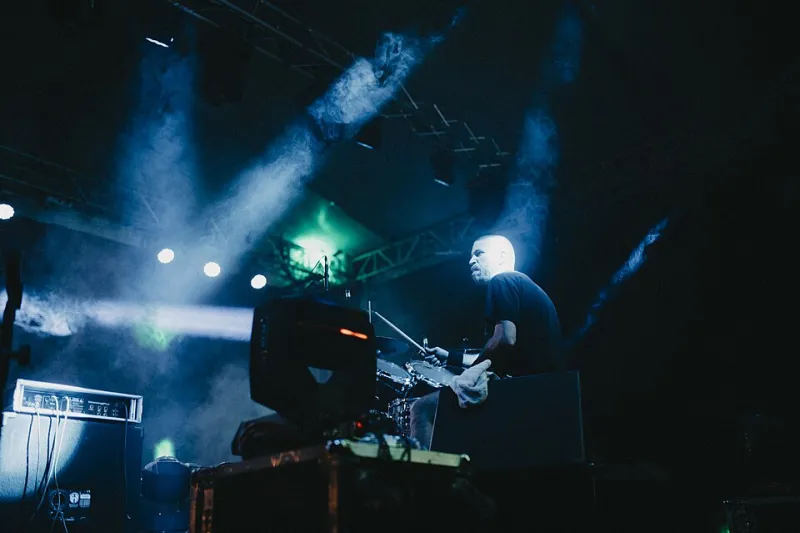
Live is where a loud brand becomes undeniable. You cannot fake a room. A ticketed show, a live podcast, a workshop, or a small tour can turn followers into fans and fans into a community. It also creates clips, photos, and stories that feed everything else.
The admin is heavy: venue, ticketing, insurance, travel, and the kind of logistics that eat a month. Start small. A 50-person room in your city can be a better business decision than a 500-person venue you cannot fill. Price it like an experience, not a meetup with a cover charge.
3. Licensing: Get Paid for the Thing You Already Made
Brand match: 4. Admin: 2.
Licensing is the grown-up version of going viral. A clip, a format, a photo set, a template, or a character can be licensed to a brand, a publisher, or a platform. You keep the original and sell the right to use it in a specific way for a specific time.
The admin is lower than a full campaign because you are not making something from scratch. The catch is that licensing requires clear terms: what is licensed, where it runs, for how long, and whether the licensee can edit it. Do not call it a partnership if it is really a rental. Price the rental.
4. Digital Products: Leverage With a Learning Curve
Brand match: 4. Admin: 4 upfront, 2 later.
Courses, templates, presets, guides, and toolkits can be excellent if they solve a problem your audience already has. The upfront admin is real: build, launch, support, and update. The later admin can be low if the product is simple and the promise is clear.
Do not build a course because courses are a thing creators do. Build it because your comments are full of the same question. A $19 template that saves someone an afternoon can be a better brand fit than a $499 course that turns you into a customer service desk.
5. Service Work: The Cash Flow With a Calendar Cost
Brand match: 3. Admin: 5.
Consulting, creative direction, production, and done-for-you services pay well and pay fast. They also put a ceiling on your time. One or two anchor clients can stabilize a messy revenue year, especially in the US market where brands love a contractor with taste.
The trick is productizing. Do not sell open-ended access. Sell a sprint, an audit, a package, or a retainer with clear hours. If you are the talent and the project manager and the invoice department, you are not running a business. You are running a very loud freelance agency.
6. Recurring Brand Partnerships
Brand match: 4. Admin: 4.
A one-off sponsored post is a payday. A recurring partnership is a revenue stream. The difference is whether the brand sees you as a vendor or a voice. Recurring deals can include monthly content, an ambassador role, or a co-created series.
The admin comes from calls, approvals, and reporting. Build a simple rate card and a repeatable process. The more you treat the partnership like a product, the less it feels like a hostage negotiation every month.
7. Tips and One-Off Gifts: The Cherry, Not the Cake
Brand match: 3. Admin: 1.
Tips are great. They are also unpredictable, emotionally complicated, and easy to mistake for validation. Keep the tip jar if it makes you happy. Just do not build your rent on it. The same goes for one-off sponsorships that vanish after a campaign. They are revenue events, not a revenue stack.
Build the Stack, Not the Myth
A healthy 2026 stack probably has one base layer, one growth layer, and one experimental layer. Base: memberships or recurring partnerships. Growth: live shows, licensing, or a digital product. Experiment: a new format, a small service offer, or a one-off event. Review it every quarter. Kill what drains you. Double down on what your audience already reaches for.
The loudest thing you can do is stop pretending one payment link is a plan. Build a stack that can hear you, pay you, and still leave room for the work only you can make.