Your Old Posts Are Compounding Interest — Stop Withdrawaling From Your Own Archive
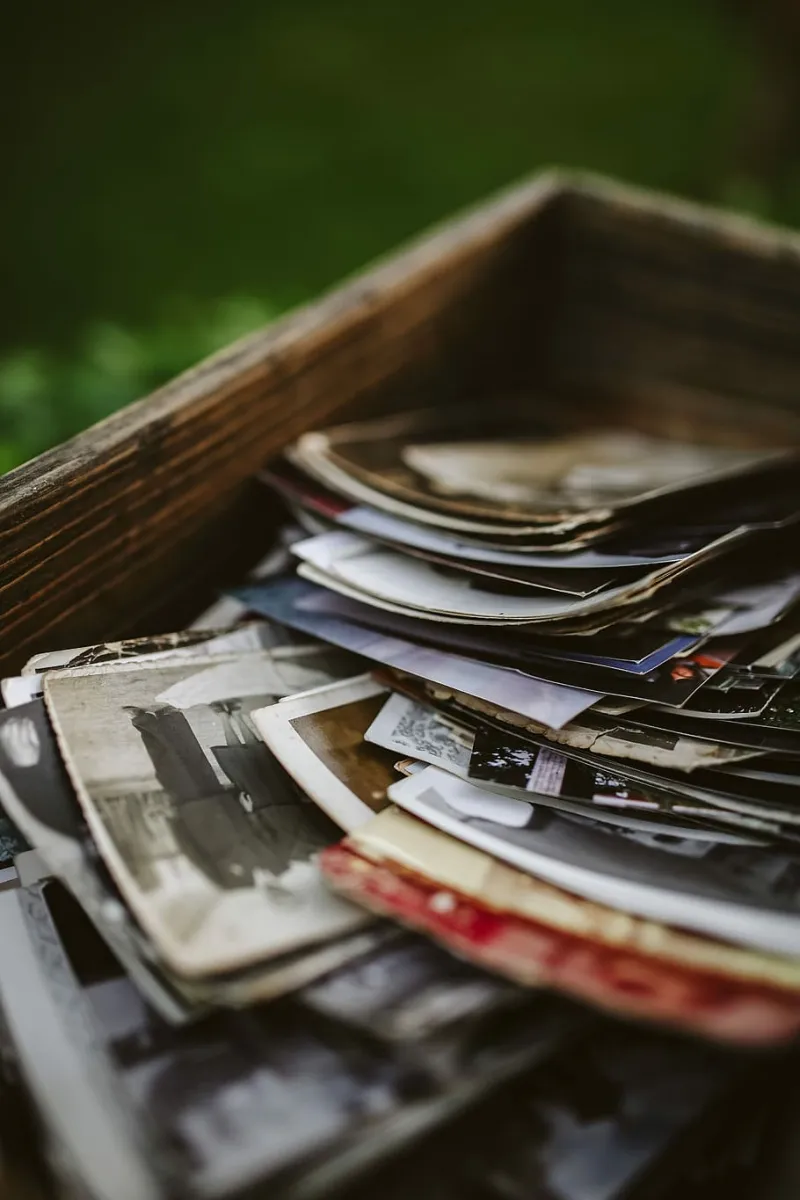
Photo: Farbadinzo, CC BY 4.0, via Wikimedia Commons
There's a particular kind of panic that hits around 1 a.m. — you're scrolling your own profile, you find a video from 2019 where you mispronounce 'niche,' and suddenly your thumb is hovering over delete like it's a fire alarm.
Resist. Seriously. Put the phone down.
Because here's the uncomfortable truth nobody says out loud in the 'new era, new me' discourse: your archive is an asset, and most creators are sitting on theirs like it's a liability.
The Delete-Everything Era Is a Trap
We're living through a mass scrubbing. Creators wipe their feeds before brand deals. Musicians pull early EPs off streaming. People nuke entire YouTube channels because the thumbnails feel dated. The logic goes: polish equals professionalism.
But flip through the résumés of the people you actually admire and you'll notice the opposite. The early, embarrassing work is there — and it's doing quiet, constant work on their behalf.
Take the comedian whose 2010s web series looked like it was shot on a flip phone. That series is now referenced in every profile written about them as proof they were doing the thing before it was cool. The newsletter writer whose first hundred issues were a mess? Those archives are how new subscribers verify they've found someone with a genuine point of view, not a content strategy.
Credibility doesn't come from looking like you were always good. It comes from receipts showing you got good.
Cringe Is a Trust Signal
Think about how you evaluate a person online. When you land on someone's page and every single post is immaculate, something feels off — curated in the way a hotel lobby is curated. Impressive, but nobody lives there.
Now find a creator whose feed shows the journey: the shaky first video, the pivot, the era where they tried a format that flopped, the eventual hit. You don't just follow that person. You believe them.
There's a reason 'show your work' became a whole philosophy. Audiences in 2025 have spent a decade getting fluent in detecting content that was reverse-engineered from an algorithm. The archive is the antidote. It says: I've been thinking about this for years, badly at first, then better.
What Your Archive Is Actually Doing While You Sleep
Old content isn't just sentimental. It's functional.
It's a range demonstration. A brand manager or podcast producer vetting you will scroll back. Seeing that you experimented — that you were a real person with evolving taste — reads as versatility, not inconsistency.
It's an SEO goldmine. A post you wrote three years ago can still rank, still get shared, still convert. Deleting it doesn't erase it from the internet's memory; it just removes the version of it that was working.
It's a timestamp. When you eventually make it, the 'I called it' moments live in your archive. People will dig. Give them something to find.
It's compounding. Every piece of content is a small deposit. The creators who win long-term aren't the ones who went viral once — they're the ones with a deep library that keeps paying out.
The Reframe, Not the Delete
Okay, so what if there's genuinely something you'd rather not have at the top of your grid? You don't have to choose between total erasure and total exposure. Try this:
1. Archive, don't annihilate. Most platforms let you hide posts without destroying them. Bury the awkward era; keep the receipts in cold storage.
2. Pin the glow-up. Curate the narrative. Put a recent banger or a 'then vs. now' piece at the top so new visitors get the arc in one scroll.
3. Repurpose the gems. That 2021 thread that went semi-viral? It's a newsletter issue. It's a YouTube video. It's a talk. Your archive is a quarry — mine it.
4. Add context, don't apologize. A simple 'this was my first attempt at X — we've come a long way' caption turns cringe into charm. Never grovel; narrate.
5. Do a seasonal audit, not a purge. Once or twice a year, review what's there. Update outdated info, fix broken links, and let the rest be a record.
The Long Game Is the Only Game
Every creator who's lasted more than a few years will tell you the same thing: the algorithm giveth and the algorithm taketh, but a body of work is forever. Trends rotate. Platforms rise and fall. The person with ten years of visible evolution — messy, honest, on the record — walks into any room with proof of who they are.
The person with a pristine, empty feed walks in with a claim and nothing behind it.
So tonight, when the 1 a.m. shame-scroll finds that video of you explaining your niche wrong: close the app. That post is doing more for you than a clean slate ever will.
Your archive isn't your past. It's your portfolio.