Boring Is the New Viral: Why Oversharing Your Mundane Life Is Actually a Power Move
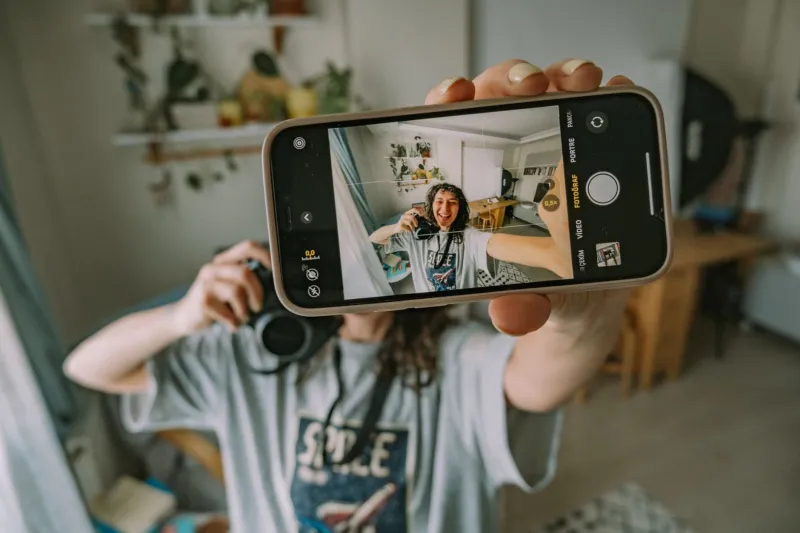
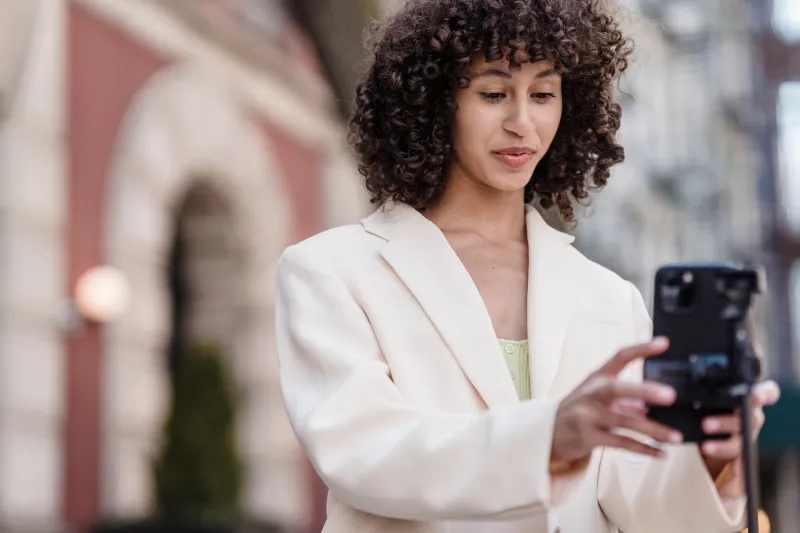
There's a creator out there right now filming herself reorganizing her junk drawer at 11pm, narrating it in real time, and pulling in more genuine engagement than the influencer who just posted a perfectly lit Maldives vacation recap. No sponsored filter. No cinematic B-roll. Just a drawer full of dead batteries and expired coupons — and somehow, people cannot stop watching.
Welcome to the era of radical mundanity, where the attention economy has flipped its own script and decided that the boring stuff is actually the good stuff.
The Highlight Reel Is Exhausted (And So Is Everyone Looking at It)
For years, the dominant content playbook said the same thing: show the best version of your life, curate your aesthetic, and never let them see you sweat. And for a while, it worked. But somewhere between the fifteenth "morning routine" video featuring $400 supplements and a sunrise view that looks suspiciously like a hotel, audiences started checking out emotionally.
It's not that people stopped wanting to be inspired. It's that they stopped believing it. There's a fatigue that sets in when everything looks too good — a low-key exhaustion that makes scrolling feel like flipping through a catalog rather than connecting with another human being. And humans, at their core, are desperate to connect.
That's where oversharing enters the chat.
When a creator films themselves crying in a parking lot because they couldn't find their keys for twenty minutes, or posts a photo of their genuinely disastrous attempt at homemade pasta, something shifts in the viewer's brain. The walls come down. Suddenly this isn't a content machine — it's a person. And people follow people.
The Psychology of 'Oh My God, Me Too'
There's a term researchers use: parasocial relationships. It's the one-sided bond audiences form with creators, characters, or celebrities — the feeling that you know someone even though they have no idea you exist. These relationships are normal, widespread, and deeply human. But here's the thing: they deepen in direct proportion to perceived authenticity.
The more a creator reveals the unglamorous details of their actual life — the 3am anxiety spiral, the failed launch, the embarrassing story from last Tuesday — the more a viewer's brain registers them as a real person rather than a curated persona. And real people trigger real emotional investment.
This is why the mundane stuff works so well. When someone shares that they've been wearing the same hoodie for four days straight because laundry feels impossible right now, a significant chunk of their audience doesn't cringe — they screenshot it and send it to their group chat with the caption "this is me." That moment of recognition is worth more than any aesthetic grid ever could be.
What Oversharing Actually Looks Like (Hint: It's Not Trauma Dumping)
Let's be clear about something. Oversharing as a content strategy isn't about emotional manipulation or turning your comment section into a therapy session. The most effective version of this approach is surprisingly low-stakes. It's the small stuff. The weird stuff. The relatable stuff.
It looks like:
- Posting the photo where your eyes are half-closed because the lighting was actually good
- Telling the story about the embarrassing thing you said in a meeting last week
- Filming the messy corner of your apartment that never makes it into the background of your "official" content
- Admitting you have no idea what you're doing with a project everyone assumes you've figured out
None of this is devastating. None of it requires vulnerability that feels unsafe. But all of it communicates the same message: I'm not performing for you right now. This is just me.
And that message? In a feed full of performance? It's deafening.
The Competitive Advantage Nobody's Talking About Enough
Here's the business case, because yes, there absolutely is one.
In a market where everyone is fighting for the same eyeballs with increasingly similar content, differentiation is everything. And one of the most underutilized forms of differentiation isn't a new format or a trending audio — it's genuine human texture. The quirks, the contradictions, the moments that don't fit the brand but somehow feel more you than anything on your carefully curated feed.
Creators who master the art of strategic oversharing — sharing enough of the real stuff to feel human without losing the thread of what they're actually building — tend to develop audiences that are disproportionately loyal. These aren't passive followers. They're people who feel like they know you. And people who feel like they know you show up differently. They buy differently. They defend you differently. They stick around when the algorithm stops pushing your content.
That's not just engagement. That's a community. And communities are the only thing that's actually algorithm-proof.
How to Start Without Overhauling Everything
You don't need to burn down your aesthetic or suddenly become an open book. Start small. Pick one piece of content a week that's genuinely unpolished — not performatively messy, but actually just... real. Share the thing you almost didn't post. Tell the story you were going to cut because it made you look a little silly.
Pay attention to what lands. Not just in terms of likes, but in the comments. Are people saying "same" and "I felt this"? Are they tagging their friends? Are they responding like you said something out loud that they'd been thinking quietly?
That's your signal. That's the attention economy telling you what it actually wants from you — not the version of you that has it all together, but the version of you that's figuring it out in real time, junk drawer and all.
Living loud means letting people hear the parts of your life that don't come with a filter. Turns out, those are the parts worth listening to.